How to set savings goals
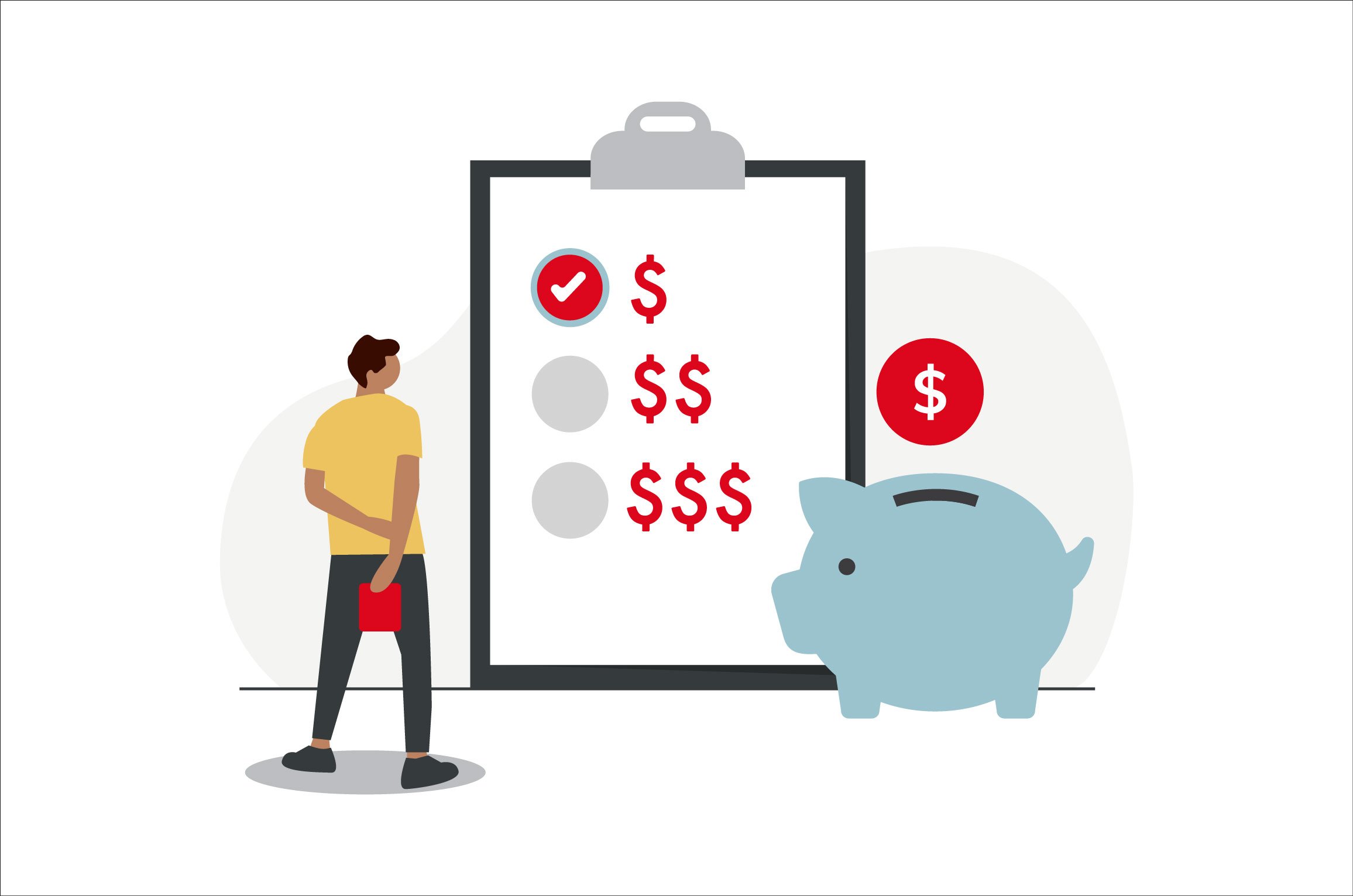
Saving money starts with a clear plan. Setting defined goals gives your money direction, keeps you motivated and helps you track your progress. Whether you’re preparing for something soon or planning ahead, a savings strategy can support your goals.
1. Identify what matters most
Start by outlining your financial priorities. Think about what you value most and what you want your money to help you accomplish.
Ask yourself:
- What short‑term needs or wants are most important right now?
- What upcoming life events should I prepare for?
- What long‑term goals matter most?
2. Organize your goals by timeframe
Once you’ve identified your priorities, break your goals into timeframes.
Short‑term goals (within 1 year)
These might include building an emergency fund, planning a small trip or preparing for holiday expenses.
Mid‑term goals (1–5 years)
This timeframe covers life milestones such as buying a home, having a child or progressing in your career.
Long‑term goals (5+ years)
These goals often shape your bigger financial picture, such as retirement savings, paying for education, saving for a larger home or starting a business.
3. Define each goal clearly
After organizing your goals by timeframe, determine how much you want to save and set a realistic deadline for achieving each goal. Consider how you’ll work toward each goal over time, including how often you plan to save and which methods or tools you’ll use to stay consistent. Defining these details provides structure, makes progress easier to measure and allows you to adjust your approach as priorities or circumstances change.
4. Choose tools that support your goals
The right tools can make saving easier to manage and different strategies can help support your progress.
- Use automatic transfers to make saving consistent
- Open a dedicated savings account or high‑yield savings account to separate funds
- Create sinking funds for upcoming expenses
- Track your spending to stay on budget
- Set calendar reminders to check your progress
5. Use the goal-setting worksheet
The Financial Goal-Setting Worksheet gives you a simple structure for organizing your goals and outlining your savings plan. Revisit it regularly and adjust as life changes.
Turn savings goals into progress
Saving is a journey and takes time to develop. By breaking your goals into manageable timelines, choosing strategies that match your lifestyle and staying consistent, you’re building a strong foundation for your financial future. Remember, the most effective savings plan is one that works for you.
For additional information on building strong saving habits, read Simple ways to save.
This article is for educational purposes only and is not intended to be financial, investment, legal or tax advice. Always consult a qualified professional about your personal situation.
More articles from our Learning Center:

How federal interest rate increases affect savings, loans and mortgages

How to budget for back-to-school
How to pay off debt
Paying down debt is one of the most effective ways to strengthen your financial future. Each payment you make helps reduce your balance and paying extra can reduce the interest you’ll pay over time. With a clear plan and consistent habits, managing and reducing debt becomes more achievable.
How to set savings goals
Saving money starts with a clear plan. Setting defined goals gives your money direction, keeps you motivated and helps you track your progress. Whether you’re preparing for something soon or planning ahead, a savings strategy can support your goals.

Simple ways to save